I've written a new blog and hope you will check it out on Medium! Thanks for reading!
Friday, March 1, 2019
When the River Meets the Sea: On Being Not One Place Or The Other Or Both Places at Once


Tuesday, February 5, 2019
Learning to Cook After Divorce. This is Not a Euphemism
I've written a new blogpost and you can find it at Medium on the link below. Thanks for reading!
Learning to Cook After Divorcehttps://medium.com/@katyfriedmanmil/learning-to-cook-after-divorce-this-is-not-a-euphemism-8de830102fe7
Sunday, January 20, 2019
Thursday, January 10, 2019
Wine, Weed, and Dry January: A Therapist's Eye View
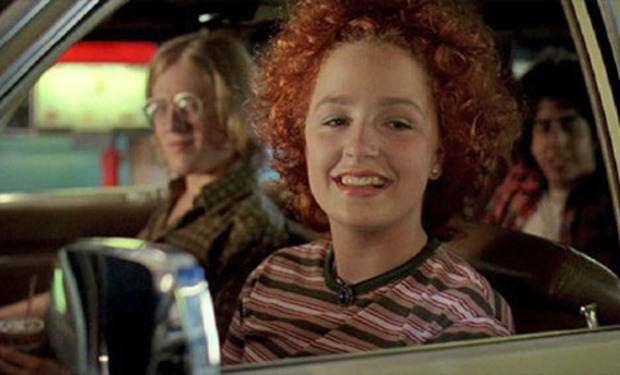
First, I know I am supposed to be cool with weed. Is seems like so many people - from 16 years old to 70 smoke or take edibles these days. And like you, I often hear, "it's better than alcohol."
Yes, I know I'm supposed to 'be cool' with weed. But something isn't sitting right with me.
I don't think it has to do with weed itself. As I observe it, weed is probably no worse or better than alcohol (though illegal where I live). I think it's the messaging increasingly being sold to us about substances - how to be social, how to have fun, and the 'harmlessness' of numbing out.
I am no teetotaler, but, since it's 'dry January', a lot of us are looking at substances in our lives - what are our habits? What are our problems? What is too much? Is there a right amount?
**********************************
Writing about substance use is difficult because it can sound so preachy and self-righteous. So before I go any further, I will share a time when I did not use alcohol with mindfulness:
When my son was 13 months old, my sister got married in New York City. My husband, my son and I flew on an airplane, which was REALLY something I was dreading. I can't describe adequately my anxiety and dread because he was prone to ear infections (my son, not my then-husband), and had been a pretty terrible sleeper for the first year of his life. I was a worrying, first time mom, with a baby who didn't yet walk, screamed louder than I've ever heard a baby scream before or since, and who was not going to like flying.
And yes, he got an ear infection on the plane ride to my sister's wedding.
It was with both increased anxiety and also relief that we left him with a babysitter to attend the rehearsal dinner. I was pretty skinny because I never slept. I hadn't had much alcohol in almost two years. And I was sort of ready to cut loose. I needed to relax.
Externally, I knew this weekend was about my sister and her marriage and husband. Internally, I was on the edge of something, but didn't know what and didn't talk with anyone enough to have any perspective about.
At the rehearsal dinner, the waiters refilled our wine glasses every time we took a sip. By 9pm, I was sloppy drunk and making crazy affirmations after every toast. "Mmmmm-hmmmm!" I agreed with loud gusto, as if I were at a gospel service. My sister looked at my husband and mouthed, "Get her out of here."
I rode in the back of a cab through Manhattan - a thirty one year old woman - with my mom and husband. I barfed all night and basically blacked out. I was painfully hung over for my sister's wedding. It was horrible. And I will never get that day back. I will never get the chance to be a great, supportive, cheerleading, caregiving maid of honor for my sister again. That sucks.
********************************
I don't specialize in addiction recovery, but I've had the privilege of working with several people over the years who have been in recovery (sober) for some time and are working on other issues. One of the many things I like so much about these clients, is that when you take alcohol or weed or other drugs off the table entirely, you often get a really fresh perspective on parts of life that many of us don't even question.
I remember a few years ago when a client who has been sober for a number of years was not yet married, but dating around. She wondered how she would feel going out with a particular guy, since he was not in a recovery program. He'd asked her out and she wondered if she'd feel uncomfortable with his friends and how she would be able to recognize if he were a problem drinker or a social drinker or how to distinguish these two things. Ultimately, she decided to give the date a try - they were going to a sports event and meeting up with friends afterward.
When she walked into our next appointment, her eyes were wide. "Did you know that most people drink alcoholically???" she asked me. She went on to tell me that she'd socialized with other sober people for so long that she had no idea how pervasive it is to drink until buzzed or drunk, to drink and keep on drinking all night. She'd imagined that most adults outgrew drinking excessively and that it was just alcoholics who didn't stop.
*************
When I'm working with people who suspect they might have a substance problem, none of them are stumbling, homeless, losing their jobs, or otherwise in a category you might outwardly look at and say, "Jeez, they need to get sober." They are moms and students and business men. They are 50, they are 21, they are 30, they are 75. Mostly, they want to control their substance use, but are pretty hopeful that they won't have to quit altogether. I don't think they are different from many, many people I know.
There are a few themes that people primarily talk about with me when concerned about their substance use:
- Will I be fun or have fun without it?
- Not drinking does not fit in with my social circles. How will I explain this to others, including my family, who are all hefty drinkers. (Annie Grace says, in her interesting book, "This Naked Mind", that alcohol is the only drug that you have to explain to others why you are NOT indulging in.
- Drinking/smoking/taking pills has become a habit. I don't think I'm addicted, but I find stopping the habit very difficult.
- I am so anxious and alcohol or weed helps me deal with my anxiety, but it also seems to make me more anxious eventually
- I know if I weren't buzzed after work, I'd be more engaged with my family or fight less with my family, but I also enjoy the feeling of the buzz
I asked one of my colleagues, a 68 year old woman, a number of years back, about what drinking was like when she was in college. "Oh yeah," she said. "People drank in college. I think the difference is that no one wanted to look drunk, Especially if you were a woman. You wanted to look cool and sophisticated and like you had it under control. Now, kids take pictures of each other puking and post it on social media. Or passed out. That's very different."
I can't help but think of other ways the norms have changed around drinking (not to mention smoking pot) in the past couple of decades. Like parenting. My kids are teenagers now - I think I was an the early cusp of the 'mom so hard' thinking/drinking. Like, "Being a mom is so tough, we need some wine for the 3pm playdate." And it continues and it's not just moms. I noticed this Halloween that many parents carried a to-go cup or sat at the firepit with beer and wine while their kids trick or treated. I don't remember the parenting drinking being that pervasive in the 1970s, 80s, or even the 90s. Is it harmless? Is it communal and fun? Is it avoidance? Is it numbing?
And I wonder if this is a 'white person' phenomena. Is it an upper middle class thing? What are the economics on a big scale (Marketing? Reality TV?). What are the drivers on an individual scale? (Stress? Pace of life? iPhones?)
*****************
Like I said, I'm not an addictions counselor, but I get to talk with a lot of people on a very deep level for my job, and for that I am so grateful. I am grateful because I think I get to understand people and I can see patterns and universalities in our experiences.
My number one concern about people and alcohol, weed, or pills is the allure of numbing out. The way it creates for us and in us, a virtual reality.
I know lots of people with lots of understandable reasons to want to numb out. That's exactly how I felt as a new mom (the one with the redheaded, highly verbal, army-crawling, ear-ache-y baby. I wanted to numb out so much, I didn't even know how much. And, I certainly wasn't aware of all the reasons why.
And other people - people who've lost brothers in terrible accidents. Mothers who've lost babies. Caregivers who give 110% of themselves every day to others. People who come from families with addiction and mental illness. I know Type A personalities who DO IT ALL. I know people who have generalized anxiety and their brains don't seem to rest. I know regular folks with regular problems who are just trying to get by in this life.
The problem with low grade drugs like alcohol or marijuana is the self-perpetuating ease with which you can maintain a normal life, but remain functional at a lower level. You still tuck your kids in to bed, but you just don't precisely remember what you talked about. You still drive home from the trivia night, but you wonder if maybe you shouldn't have. You still get up for work in the morning, but you definitely need a couple advil for that headache. Your sister reminds you that you already talked about mom's doctor's appointment, but you realize it was after the work happy hour, so it just didn't stay with you. You wonder if you and your wife wouldn't bicker at night so often if you didn't split that bottle of wine.
Numbing out is quiet and insidious and in the end, it steals your life from you.
********************
My work in death and dying shapes everything about the way I look at life. So knowing what the end of life is like, I ponder much of the time about what makes the living of our lives optimally satisfying.
Interestingly, I also see potential for drug use at the end of life (supervised by a doctor). There are good results for people in hospice who have fear and anxiety around death, who take medically supervised hallucinogenics. Most things are not all or nothing.
But in general, I don't think numbing out is good for us. I don't think we are fully having fun, most of the time, when we are numb. I don't mean it's never ok to cut loose, or even have such a bad day that you have a couple of beers or glasses of wine. But, I observe that making a habit of numbing will undermine everything about our lives over time - our relationships, the quality of our thinking, our own sense of vitality and gratitude. Numbing will dumb us. If not today, next week, or next month, next year.
*******************
Many times I will say to clients, "I have a bias. I have worked with people at the end of life for so long, that I often look at everything from the perspective of, 'When I am 95 years old and on my death bed, will I be happy with the choices I made. Will I feel satisfied? Will I have lived the life I wanted and be proud of what I have to show?'"
When I say this, my client will look back at me with a shine in their eyes. They want this for themselves and they know one type of death or another is out their in their future...the answer to those questions is up to the choices we all make now.
So whether this is a Dry January for you or not, it is my hope that every day you will be awake and alive to life, in all it's imperfection. If you are fully awake, your life is truly yours.
**********************
Resources:
If you are looking at the place of substance in your life, an interesting new book that was recently recommended to me is This Naked Mind by Annie Grace.
Google Alcoholics Anonymous and Al-Anon.
National Institute on Drug Abuse
Sunday, December 23, 2018
The Importance of a Life: Remembering and Grief at the Holidays
When I worked in home hospice I spent most of my visits with family sitting or standing beside a hospital bed. In the bed, lay a beloved person who, not infrequently, would die within the next couple of days or even couple of hours. Sometimes this was my first visit. Many times the patient was so weakened and near death that they were barely responsive. Sometimes their breathing was ragged and we all knew that any breath could be their last. Anxiety often ran high. We are not accustomed to people dying at home, and we are not much accustomed to death.
I felt daunted. The role of 'social worker' tugged at my insecurities - What could I do to help when there was so little time left? What resources did I have to offer? Wasn't I really a nuisance, distracting from the moments they all had left together? What did I have of my self to offer?
*********************
A client recently said to me that the majority of Christmas is about nostalgia.
Long, dark and starry nights, the smell of a wood fire, Christmas carols and lights, cookies baking, if we are lucky - snow...family events that seem to change imperceptibly from one year to the next, even the stories and movies we know - like A Christmas Story - the story itself is as nostalgic as our memory of watching it and cackling when Ralphie's dad says "Frag-ee-lay."
*************************
Many of my clients and many people I know grieve more deeply at this time of year. The nostalgia of the season makes the absence of the person or people you love different - maybe you feel lonelier. Maybe you even feel destitute. In this grief, much of what you feel is separate from the rest of the world, who seems to be connected to one another and also clueless to the pain and grief that haunt the shadowland of the season.
Yet I also know that many people who aren't grieving are not clueless. This doesn't give the rest of us the credit we deserve. We feel inadequate or uncertain (like I did by the bedside of hospice patients in the first year or so of my work). So we 'non-grievers' might not say anything to our neighbor who lost a son, or our friend who lost her mother. We might think things like, "Maybe it will upset him if I bring it up." Or, "She lost her mom a few years ago, she's probably moved on." Or, "I just don't know what to say."
A client recently share this with me:

******************
Working in hospice was a great gift to me for so many reasons. One of them was that it forced me to do things that were really difficult and which I felt totally scared to do. One of those things was stand by the bedside of a dying human being. Maybe it was a dying dad, with his college-age daughter and a collection of neighbors and friends around him because he had no other family. What I learned, was to ask about a life. Tell me stories about your dad, I would say. Tell me how you all became friends, I would ask the friends. I would learn a little about the person who was dying and I would ask for even more stories - "It sounds like he never met a stranger," I would observe. "It sounds like you all had some amazing vacations together."
I came to believe this did two things...one, was provide comfort and meaning to the family. It's called Life Review in hospice terms and telling stories from our lives means that what we did and who we are matters. This person made an impact. The world is different and better (hopefully) because this person lived. When we face the death of someone we love, there is no end to the comfort we get in knowing this. It doesn't take the pain away, but it fortifies us a little. Two, I believe that the dying person could hear these stories too. I believe it would do something good for me, if I was dying, to hear good stories from my life and know that the people I loved were sharing in these stories. I believe that knowing our lives have meaning might help us die peacefully.
*******************
Dying of a disease and dying suddenly elicit a different texture of grief from family and friends, but it is all still grief. If you know someone who is grieving and you have a special story about the person who died, I encourage you to share that story with the grieving person, maybe, especially, at this time of year.
******************
I found out unexpectedly this year that my third grade teacher, Ann Birmingham, died in 2015. I'd been looking to connect with her on facebook - just thinking about what an influence she'd been on me and thinking I'd let her know. What I found out is that I was three years too late - and she was a young woman in her 60s, so this was particularly surprising and sad news.
If I would have been able to talk to her, I would have said this: "Mrs. Birmingham! Hello! Do you remember me? I was in your third grade class in 1980-1981. I thought you were so glamorous! You always had manicured, dark red nails and you wore Jordache jeans and sometimes you wore black and I didn't know any ladies who wore black when I was a kid. You quoted Saturday Night Live - Roseanne Roseanna Danna, and said "Nevermind" in a singsong, goofy voice like Gilda Radner. And when you got mad at the class, sometimes you would turn to me and wink, as if I were included on a joke with you and you weren't mad at me at all. I also remember when I wrote my friend, Jenny Nielson a note that said, "Mrs. Birmingham is in a bad mood today! I wonder if she is on her p." (That was our code word for period - how scandalous.) And you confiscated that note and you never said a word about it and I thought I was going to get in a lot of trouble because it felt so disrespectful to you. I remember you treated me like a 'grown up.' You encouraged me to read books that were challenging - even a Wrinkle in Time and The Hobbit, which were for much older kids. You were one of the first women I knew who didn't seem to fit a mold. I looked up to you and I know you were a big part of my ongoing love of school. Thank you."
I will try to find a way to share those anecdotes with her family. Even three years later, I know that people still dearly miss their loved ones who've died.
Sharing stories from a life, remembering the lives of people we've cared about and telling those stories is an act of connection. I am connected to you, you are connected to me, we are connected to the past, the present and we are also connected to the future in ways that bring comfort and uncertainty. We give a gift when we share a memory with a grieving person - the gift of a loving connection, sometimes arriving at the time that person needs it most.

I felt daunted. The role of 'social worker' tugged at my insecurities - What could I do to help when there was so little time left? What resources did I have to offer? Wasn't I really a nuisance, distracting from the moments they all had left together? What did I have of my self to offer?
*********************
A client recently said to me that the majority of Christmas is about nostalgia.
Long, dark and starry nights, the smell of a wood fire, Christmas carols and lights, cookies baking, if we are lucky - snow...family events that seem to change imperceptibly from one year to the next, even the stories and movies we know - like A Christmas Story - the story itself is as nostalgic as our memory of watching it and cackling when Ralphie's dad says "Frag-ee-lay."
*************************
Many of my clients and many people I know grieve more deeply at this time of year. The nostalgia of the season makes the absence of the person or people you love different - maybe you feel lonelier. Maybe you even feel destitute. In this grief, much of what you feel is separate from the rest of the world, who seems to be connected to one another and also clueless to the pain and grief that haunt the shadowland of the season.
Yet I also know that many people who aren't grieving are not clueless. This doesn't give the rest of us the credit we deserve. We feel inadequate or uncertain (like I did by the bedside of hospice patients in the first year or so of my work). So we 'non-grievers' might not say anything to our neighbor who lost a son, or our friend who lost her mother. We might think things like, "Maybe it will upset him if I bring it up." Or, "She lost her mom a few years ago, she's probably moved on." Or, "I just don't know what to say."
A client recently share this with me:

******************
Working in hospice was a great gift to me for so many reasons. One of them was that it forced me to do things that were really difficult and which I felt totally scared to do. One of those things was stand by the bedside of a dying human being. Maybe it was a dying dad, with his college-age daughter and a collection of neighbors and friends around him because he had no other family. What I learned, was to ask about a life. Tell me stories about your dad, I would say. Tell me how you all became friends, I would ask the friends. I would learn a little about the person who was dying and I would ask for even more stories - "It sounds like he never met a stranger," I would observe. "It sounds like you all had some amazing vacations together."
I came to believe this did two things...one, was provide comfort and meaning to the family. It's called Life Review in hospice terms and telling stories from our lives means that what we did and who we are matters. This person made an impact. The world is different and better (hopefully) because this person lived. When we face the death of someone we love, there is no end to the comfort we get in knowing this. It doesn't take the pain away, but it fortifies us a little. Two, I believe that the dying person could hear these stories too. I believe it would do something good for me, if I was dying, to hear good stories from my life and know that the people I loved were sharing in these stories. I believe that knowing our lives have meaning might help us die peacefully.
*******************
Dying of a disease and dying suddenly elicit a different texture of grief from family and friends, but it is all still grief. If you know someone who is grieving and you have a special story about the person who died, I encourage you to share that story with the grieving person, maybe, especially, at this time of year.
******************
I found out unexpectedly this year that my third grade teacher, Ann Birmingham, died in 2015. I'd been looking to connect with her on facebook - just thinking about what an influence she'd been on me and thinking I'd let her know. What I found out is that I was three years too late - and she was a young woman in her 60s, so this was particularly surprising and sad news.
If I would have been able to talk to her, I would have said this: "Mrs. Birmingham! Hello! Do you remember me? I was in your third grade class in 1980-1981. I thought you were so glamorous! You always had manicured, dark red nails and you wore Jordache jeans and sometimes you wore black and I didn't know any ladies who wore black when I was a kid. You quoted Saturday Night Live - Roseanne Roseanna Danna, and said "Nevermind" in a singsong, goofy voice like Gilda Radner. And when you got mad at the class, sometimes you would turn to me and wink, as if I were included on a joke with you and you weren't mad at me at all. I also remember when I wrote my friend, Jenny Nielson a note that said, "Mrs. Birmingham is in a bad mood today! I wonder if she is on her p." (That was our code word for period - how scandalous.) And you confiscated that note and you never said a word about it and I thought I was going to get in a lot of trouble because it felt so disrespectful to you. I remember you treated me like a 'grown up.' You encouraged me to read books that were challenging - even a Wrinkle in Time and The Hobbit, which were for much older kids. You were one of the first women I knew who didn't seem to fit a mold. I looked up to you and I know you were a big part of my ongoing love of school. Thank you."
I will try to find a way to share those anecdotes with her family. Even three years later, I know that people still dearly miss their loved ones who've died.
Sharing stories from a life, remembering the lives of people we've cared about and telling those stories is an act of connection. I am connected to you, you are connected to me, we are connected to the past, the present and we are also connected to the future in ways that bring comfort and uncertainty. We give a gift when we share a memory with a grieving person - the gift of a loving connection, sometimes arriving at the time that person needs it most.
Friday, December 14, 2018
Taking (Guilt Free) Stock of My Goals - How I'm Doing Fighting Racism and Writing a Book
In the past year or so, there are two tangible, specific goals I've shared in my blog: 1) That I am working on a book about grief and 2) That I made a pledge through my church involvement to help end racism.
On these two goals, I give myself a C. My inner school marm gets a lot of satisfaction out of giving grades.
So, I'll just get it out there - I have not finished the book, nor made much progress on it this year. And while I feel I have taken some tangible steps in racial justice and equity work, I know I have more to do. From a purely measurable outcomes assessment, this is where the C comes from.
However, because I talk with people all day most days about their hopes and longings and failures and goals (and other things too), I think that sharing both the outer process and the inner/emotional process (what I've learned) might be useful for some readers - who in some of the long hours of darkness at this time of year, might also be taking stock of 2018.
First, the book: In late 2017, I started writing a book about grief - anecdotes of my work in hospice and as a grief therapist, connecting it to my own life experiences. I've tried to illuminate what I've learned about bodies, inadequacy, selflessness, illness, despair, hope, and courage. It's really difficult for a person like me who is more naturally drawn to writing poetry to write prose in such a long format. I'm impatient. I like to see a finished product, which is why both poetry and the blog can be so satisfying. So, I attempted to do that with the book - creating small chapters in an A-Z format, i.e., A is for Afterlife, etc.
Yet, writing a book is big and cumbersome; it's easy to get bogged down even with short chapters. And when I shared the 75 pages or so that I'd written with other writers or people who I admire for their brains and point of view, I think they liked it but they didn't have that 'click' we feel when we read something we can't put down and just want more of (of course this is the kind of book I want to write). The general encouragement was - 'this is good - keep writing, but you might want to change the format as you go along - the A to Z might just be the hook to get you in to the meat of the book.' (I thought 75 pages was pretty meaty).
And when I take the most objective look at the writing that I can...I agree! In fact, in writing workshops, one typical saying is 'Kill Your Babies.' Most writers and artists get ego- attached to some phrases, scenes, introductions, or whole pieces of writing; but sometimes you have to edit that stuff. Get ride of it, change it, 'kill it.' That A-Z format probably needs to go.
And as I wrote more and more, I set weekly goals for myself - pages to write. And I began to find that I resented the writing time. That's a red flag for sure. I find that if I am not doing something with some degree of joy, I probably should not be doing it. But I wanted to understand myself honestly, if I were going to take a hiatus from the book project.
One of the inner lessons I've continued to learn this year is about limitations, boundaries, and bringing the right amount of reverence to the meaning of Time. And here is the truth that I began to feel and accept more fully:
I am a single mom and I own and run my own business, which I try to do with care, integrity, and competence. I am responsible for my home and to some degree, three human beings (including me) and a dog. I like to have friends and spend time with them. I like to exercise. I like to try to do a little bit of volunteer work. I like to pretend to try to date or at least 'put it out there' in the universe that I might like to date 'some day' (whatever that means, but you know...)
It would be realistic to see that I am already working toward goals that are important to me - raising good human beings, being a responsible, productive adult human myself. And, I need to be humble in a good way and prioritize my time appropriately and in a way that fits my values. Like all of us, I am at my best when balanced - responsible, ambitious, and also having fun and relaxing.
So, I gave my self permission to GO SLOW with the book. I don't have to chuck it, but I changed my process and mindset. I became respectful of my own time and energy. It is not that I am saying 'I can't do it,' but I am allowing myself limits and boundaries. As I heard in an Al-Anon meeting one time - 'it's not that I can't do it. But if I can't do it without hurting myself, then it's not the right thing right now.' I will trust that when the time is right for me, I will have the words, make the time, and experience the pleasure of that writing and I believe it will shine through in what I write. And I can pick it up and write a few pages here or there whenever I want.
Now...on to the goal/my progress in helping to end racism.
Here are some things I have done: I've had more conversations about race with more people across a variety of formats. One on one conversations with white people and people of color. People I've known for years and people I've just met. I've introduced myself to people for the sole purpose of making these connections. Some of these conversations - maybe half - have been with white people who seem to disagree with me about the state of race relations in our country and the need for equity. I've communicated in social media and also in private emails. My intent for my words and my listening are to be a part of a process of truth, justice, and hopefully peace.
I've made conscious choices to buy goods and services from businesses owned by people of color.
I've written publicly about my involvement in this issue.
I've written a letter to my local city council about hiring concerns.
My kids and I communicate about these issues on an almost daily basis - analyzing how we get our news, who tells us our information, and what biases we have that inform how and what we believe.
I have learned a few things about myself as I try to be part of something that feels dear. What I've learned is that I am not much of a warrior. My primary drive is not rage or outrage. I have appreciation for some people's passion and rage. To create change, I think anger is often needed. To overcome injustice, anger is a necessary human emotion. It's not that I don't get angry about injustice, I do.
What I've learned is that we all have innate gifts and skills that we use to navigate the world and one of mine is translation/communication. I've also learned that my energy is best spent places where I feel effective and I feel effective in matters of racial equity when I use my words and whatever ability I have to translate so that people hear one another in different ways. I hope, in ways that open minds and hearts. Maybe this has to do with being a writer (most writers are observers as much or more than participants). Maybe this has to do with being raised by parents who were civically minded but always worked within systems, rather than from the outside? I am sure there are other influences. I check myself...am I just staying in my comfort zone? Am I afraid? I'm sure that's some of it too.
Maybe it isn't particularly universal to write about my individual goals/ resolutions. But I know that it is universal to assess where we are in different ways and in different facets of life. (It strikes me that my time of life is particularly an assessing one - I see this in my clients from about 40 years old to 60). Am I where I want to be in general? Am I where I wanted or hoped to be a year ago. So not only is it the time of year that is reflective, it is my time of life.
One thing that makes me feel sad is when clients say to me, "But I'm already at THIS (take your pick) stage of life and this is all I have to show for it!" I wish I could take that away from them. Whatever that self-flagellation and guilt is, it doesn't help because it discounts all the life experience that got you HERE. Here might not be what you imagined, but it's YOUR LIFE. Each day takes a different amount of courage to live, but sometimes it takes a lot of courage. And what we do, even if it is folding laundry, uses both time and energy.
A client asked me recently what kind of therapy I do and it made me step back and think about it from a fresh mind. I hadn't thought about that question in a while in quite that specific way. Logotherapy is what Viktor Frankl named therapy that helps people create and understand the meaning of their particular life. I guess that's what I do. I do that with myself too. The meaning of my life (or yours) - to my way of thinking - isn't bestowed on me by God or forced on me by life circumstances.
We have life circumstances and we choose what the meaning is. It's very powerful. Making goals and pursuing them and seeing where they take you is part of making the meaning of your life.
In this weird time we live in where we have other people's achievements, vacations, jobs and lives marketing to us on social media, I think we do too much comparing 'where we are' to others. I always hope that my sharing my experiences - both hiccups and joys, will help normalize being human.
A friend and mentor (I call her that not because we work in the same field but because she is just an AWESOME lady and that's another goal I aspire to) used to write me emails of encouragement as I worked on a rather fundraising project for church a number of years ago. She'd always close with one final word, a word that strengthened my heart to take the next step forward.
Onward!

On these two goals, I give myself a C. My inner school marm gets a lot of satisfaction out of giving grades.
So, I'll just get it out there - I have not finished the book, nor made much progress on it this year. And while I feel I have taken some tangible steps in racial justice and equity work, I know I have more to do. From a purely measurable outcomes assessment, this is where the C comes from.
However, because I talk with people all day most days about their hopes and longings and failures and goals (and other things too), I think that sharing both the outer process and the inner/emotional process (what I've learned) might be useful for some readers - who in some of the long hours of darkness at this time of year, might also be taking stock of 2018.
First, the book: In late 2017, I started writing a book about grief - anecdotes of my work in hospice and as a grief therapist, connecting it to my own life experiences. I've tried to illuminate what I've learned about bodies, inadequacy, selflessness, illness, despair, hope, and courage. It's really difficult for a person like me who is more naturally drawn to writing poetry to write prose in such a long format. I'm impatient. I like to see a finished product, which is why both poetry and the blog can be so satisfying. So, I attempted to do that with the book - creating small chapters in an A-Z format, i.e., A is for Afterlife, etc.
Yet, writing a book is big and cumbersome; it's easy to get bogged down even with short chapters. And when I shared the 75 pages or so that I'd written with other writers or people who I admire for their brains and point of view, I think they liked it but they didn't have that 'click' we feel when we read something we can't put down and just want more of (of course this is the kind of book I want to write). The general encouragement was - 'this is good - keep writing, but you might want to change the format as you go along - the A to Z might just be the hook to get you in to the meat of the book.' (I thought 75 pages was pretty meaty).
And when I take the most objective look at the writing that I can...I agree! In fact, in writing workshops, one typical saying is 'Kill Your Babies.' Most writers and artists get ego- attached to some phrases, scenes, introductions, or whole pieces of writing; but sometimes you have to edit that stuff. Get ride of it, change it, 'kill it.' That A-Z format probably needs to go.
And as I wrote more and more, I set weekly goals for myself - pages to write. And I began to find that I resented the writing time. That's a red flag for sure. I find that if I am not doing something with some degree of joy, I probably should not be doing it. But I wanted to understand myself honestly, if I were going to take a hiatus from the book project.
One of the inner lessons I've continued to learn this year is about limitations, boundaries, and bringing the right amount of reverence to the meaning of Time. And here is the truth that I began to feel and accept more fully:
I am a single mom and I own and run my own business, which I try to do with care, integrity, and competence. I am responsible for my home and to some degree, three human beings (including me) and a dog. I like to have friends and spend time with them. I like to exercise. I like to try to do a little bit of volunteer work. I like to pretend to try to date or at least 'put it out there' in the universe that I might like to date 'some day' (whatever that means, but you know...)
It would be realistic to see that I am already working toward goals that are important to me - raising good human beings, being a responsible, productive adult human myself. And, I need to be humble in a good way and prioritize my time appropriately and in a way that fits my values. Like all of us, I am at my best when balanced - responsible, ambitious, and also having fun and relaxing.
So, I gave my self permission to GO SLOW with the book. I don't have to chuck it, but I changed my process and mindset. I became respectful of my own time and energy. It is not that I am saying 'I can't do it,' but I am allowing myself limits and boundaries. As I heard in an Al-Anon meeting one time - 'it's not that I can't do it. But if I can't do it without hurting myself, then it's not the right thing right now.' I will trust that when the time is right for me, I will have the words, make the time, and experience the pleasure of that writing and I believe it will shine through in what I write. And I can pick it up and write a few pages here or there whenever I want.
Now...on to the goal/my progress in helping to end racism.
Here are some things I have done: I've had more conversations about race with more people across a variety of formats. One on one conversations with white people and people of color. People I've known for years and people I've just met. I've introduced myself to people for the sole purpose of making these connections. Some of these conversations - maybe half - have been with white people who seem to disagree with me about the state of race relations in our country and the need for equity. I've communicated in social media and also in private emails. My intent for my words and my listening are to be a part of a process of truth, justice, and hopefully peace.
I've made conscious choices to buy goods and services from businesses owned by people of color.
I've written publicly about my involvement in this issue.
I've written a letter to my local city council about hiring concerns.
My kids and I communicate about these issues on an almost daily basis - analyzing how we get our news, who tells us our information, and what biases we have that inform how and what we believe.
I have learned a few things about myself as I try to be part of something that feels dear. What I've learned is that I am not much of a warrior. My primary drive is not rage or outrage. I have appreciation for some people's passion and rage. To create change, I think anger is often needed. To overcome injustice, anger is a necessary human emotion. It's not that I don't get angry about injustice, I do.
What I've learned is that we all have innate gifts and skills that we use to navigate the world and one of mine is translation/communication. I've also learned that my energy is best spent places where I feel effective and I feel effective in matters of racial equity when I use my words and whatever ability I have to translate so that people hear one another in different ways. I hope, in ways that open minds and hearts. Maybe this has to do with being a writer (most writers are observers as much or more than participants). Maybe this has to do with being raised by parents who were civically minded but always worked within systems, rather than from the outside? I am sure there are other influences. I check myself...am I just staying in my comfort zone? Am I afraid? I'm sure that's some of it too.
Maybe it isn't particularly universal to write about my individual goals/ resolutions. But I know that it is universal to assess where we are in different ways and in different facets of life. (It strikes me that my time of life is particularly an assessing one - I see this in my clients from about 40 years old to 60). Am I where I want to be in general? Am I where I wanted or hoped to be a year ago. So not only is it the time of year that is reflective, it is my time of life.
One thing that makes me feel sad is when clients say to me, "But I'm already at THIS (take your pick) stage of life and this is all I have to show for it!" I wish I could take that away from them. Whatever that self-flagellation and guilt is, it doesn't help because it discounts all the life experience that got you HERE. Here might not be what you imagined, but it's YOUR LIFE. Each day takes a different amount of courage to live, but sometimes it takes a lot of courage. And what we do, even if it is folding laundry, uses both time and energy.
A client asked me recently what kind of therapy I do and it made me step back and think about it from a fresh mind. I hadn't thought about that question in a while in quite that specific way. Logotherapy is what Viktor Frankl named therapy that helps people create and understand the meaning of their particular life. I guess that's what I do. I do that with myself too. The meaning of my life (or yours) - to my way of thinking - isn't bestowed on me by God or forced on me by life circumstances.
We have life circumstances and we choose what the meaning is. It's very powerful. Making goals and pursuing them and seeing where they take you is part of making the meaning of your life.
In this weird time we live in where we have other people's achievements, vacations, jobs and lives marketing to us on social media, I think we do too much comparing 'where we are' to others. I always hope that my sharing my experiences - both hiccups and joys, will help normalize being human.
A friend and mentor (I call her that not because we work in the same field but because she is just an AWESOME lady and that's another goal I aspire to) used to write me emails of encouragement as I worked on a rather fundraising project for church a number of years ago. She'd always close with one final word, a word that strengthened my heart to take the next step forward.
Onward!
Tuesday, November 27, 2018
Are We Supposed to Forgive and What Even IS Forgiveness? Some Thoughts As We Head Into the Holiday Season
A few years ago, when I was not yet, but almost divorced, I went to coffee with a minister friend and asked him about forgiveness. I wanted to know if some things are unforgivable and what does Christianity say about forgiveness that I might not know. I knew I was far from forgiveness and I wanted to know what his thoughts were about how I might get there or if I even should strive for that. I said, "I think God is big enough to forgive, but I don't think I am. I will leave it to God."
I think he had higher hopes for me than that. My minister friend confirmed one part of the Christian perspective I knew already, but he also helped me with a nuance I hadn't put together. The thing that I knew was that it would be, from his Christian theology, part of my spiritual work to try to forgive. But here's the part I hadn't considered exactly - he assured me that there was a huge difference between forgiveness and reconciliation and that God did not ask for me to make a reconciliation of any kind, including friendship. That distinction between reconciliation and forgiveness was significant to me.
As we all have begun the holiday season and will be spending time with family, and as I work with clients at this time of year, I realize forgiveness may not be the first word that we think of, but it might be tapping at us from the corners of our minds and hearts more than usual. The holidays bring us to our younger selves, old patterns, in the middle of long-term family dynamics, grief, and changes from the past year or many years before. They can bring us face to face with our unfinished business and unresolved anger and hurts revisit us.
So...forgiveness.
I've read books about forgiveness, I've looked up articles about forgiveness in individual lives, community lives, and even in the history of nations. I read about people who have endured much - Nelson Mandela, Elie Wiesel, Malala.
A lot of people I know are working on forgiveness in one form or another. I've heard the saying, and I'm sure you have too (I think this is attributed to the Dalai Llama) - that to hold anger and to NOT forgive is like drinking poison and hoping the other guy will die. At some level we know that when we hold our grudges, our bitterness, our deep hurts, we are not only living in the past, but we punish ourselves from fully enjoying our present.
But I also suspect that our words for what we are trying to do are inadequate - I believe there are different sorts of transgressions and different sorts of forgiveness. A friend who doesn't invite you to a holiday party would require a much different sort of action to forgive than the forgiveness that someone might work toward if they'd been sexually abused by their uncle. I worked with a woman who'd been robbed at gunpoint and beaten - she found that she was able to forgive in her own way. She said the biggest thing she learned as she worked on the trauma of that assault was that it wasn't personal.
This is an important and confusing point, but here's an illustration:
One morning in college I was out 'speed walking' the Loop around campus. It was just before a big football game and our opposing team was waking up to tailgate. I was zooming around, probably sporting a sorority t-shirt with my walkman on, when a car brandishing the flag from the opposing team drove by and some male voices screamed at me, "You walk like you're retarded!" I remember this was stinging and embarrasing. But those guys did not personally dislike me. It wasn't personal. I was around and got in the way of their shit. Whatever their shit was - gender, alcohol, competition. Who knows. It's a paradox - it happened to me, but it wasn't about me.
This is the way that many of our experiences are that might call us to forgive. We are the recipient of mistreatment, but it isn't because we deserve it or asked for it. We are not personally responsible for it, even though many of us somehow want to think we are.
If you are considering where forgiveness fits in your life, here are some things I've found are important to think about:
1. What sort of wrong was done?
2. Is it part of a pattern?
3. Do you believe the person you might want to forgive has your best interest at heart?
4. Do you believe the person you might want to forgive is trustworthy - which is to say, do their words and actions match AND do they demonstrate that integrity in a consistent way over a period of time?
5. Do you feel stuck in anger, resentment, or in the past in general?
6. What would it mean to forgive that person, but not have a relationship with them going forward?
Forgiveness is a tough mother - I see it as an action and not a stagnant state that we reach and stay there. I am pretty sure we have to work for it, rather than wake up one day, Buddha-like, in a peaceful and forgiving state. I understand a lot of the human experience and human nature, but I understand anger much more than I understand forgiveness.
And, you might be surprised to know that I don't think forgiveness is always the right thing to do right now (and I hope my minister friend will bear with me while I talk this through). There is a gem near the end of the book Codependent No More by Melodie Beattie and she does a beautiful job of reflecting the trouble with forgiveness for some people,
"Compulsive disorders such as alcoholism twist and distort many good things, including the great principle of forgiveness. We repeatedly forgive the same people. We hear promises, we believe lies, and we try to forgive some more...Then we feel guilty because someone asks, 'Why can't you just forgive and forget?' ...For many of us, the problem is not forgetting. Forgiving and forgetting feed our denial system. We need to think about, remember, understand, and make good decisions about what we are forgiving, what can be forgotten, and what is still a problem....I believe we need to be gentle, loving, and forgiving with ourselves before we can expect to forgive others."
So maybe we need to look at what brings us into balance. I know people who, on a daily basis, tend to feed the anger in their hearts and tend to have more rigid boundaries - maybe for those people, working steadily on forgiveness and openness helps to bring them into balance. For others of us who have tended to forgive and forget quickly, we would be more wise to keep Melodie Beattie's advice top of mind and slow down our forgiveness process.
But if we think we need to forgive, if we are stuck in past bitterness or just the past. If we are closed to people we would like to be open to, then the question changes- how do I forgive? What do I do to make that happen, what would that look like and feel like inside me? How will I know if I've forgiven?
One guy I know whose ex-wife cheated on him years ago says, "I don't forgive her. But I don't think about her either. She is not part of my day to day life and thinking. But I also don't forgive her." He's gone on to remarry and has a very happy life. I wonder if it's just semantics, then. If he's moved on and enjoys his life fully and doesn't chew to cud of the past, perhaps this is at least some form of forgiveness even if he doesn't call it that?
Yet, I suspect that many of us have a feeling that forgiveness is a spiritual process and a mysterious one. If there are different types of forgiveness, that's the one that I'd like to know more about. I wish I could tell you that I have a formula or that my conversation with my minister friend led to a revelation for me, but I continue to take little bites out of understanding and experiencing forgiveness as my life goes along too.
Here are some more bits I know about this deeper sort of forgiveness:
As time goes on, it's important to honestly check in with yourself. I believe that anger and bitterness can become a knee jerk reaction. Maybe somebody brings up your old best friend from college and you automatically think, "that bitch." Well, that's a habit and maybe you don't even feel that way anymore. Check in with yourself about how you really feel, NOW. Not how you felt in 2001.
First, forgive yourself if you need to. Like Melodie Beattie says, before you can extend a loving heart to someone else, especially someone who causes you pain, extend that to yourself. There will be time to forgive, whatever that means to you, but be good to yourself.
Know your intention and purposefully choose it. I know a woman whose child was murdered. She said that she knew she had to work hard and make choices to not be a bitter, unhappy person for the rest of her life. I admire her very much, and believe that she is wise. If we set a goal of not letting bitterness overtake us, we will naturally make choices toward some form of forgiveness, whether that is forgiving ourselves or the universe or, if we choose, the person who hurt us.
Pay attention to how you feel when you think about the person who hurt you - do you feel loose and relaxed or does your heart tighten and stomach clench. Sometimes forgiveness is the feeling in your body that the person or memory of the person no longer has a hold over you. If that's the case, let it go. Maybe say a prayer, if that's your thing, that the person will not go on to hurt others and that you will continue to feel strong and free.
And that's it - that's all I've got for now on forgiveness. What I know, what I am working on.

I think he had higher hopes for me than that. My minister friend confirmed one part of the Christian perspective I knew already, but he also helped me with a nuance I hadn't put together. The thing that I knew was that it would be, from his Christian theology, part of my spiritual work to try to forgive. But here's the part I hadn't considered exactly - he assured me that there was a huge difference between forgiveness and reconciliation and that God did not ask for me to make a reconciliation of any kind, including friendship. That distinction between reconciliation and forgiveness was significant to me.
As we all have begun the holiday season and will be spending time with family, and as I work with clients at this time of year, I realize forgiveness may not be the first word that we think of, but it might be tapping at us from the corners of our minds and hearts more than usual. The holidays bring us to our younger selves, old patterns, in the middle of long-term family dynamics, grief, and changes from the past year or many years before. They can bring us face to face with our unfinished business and unresolved anger and hurts revisit us.
So...forgiveness.
I've read books about forgiveness, I've looked up articles about forgiveness in individual lives, community lives, and even in the history of nations. I read about people who have endured much - Nelson Mandela, Elie Wiesel, Malala.
A lot of people I know are working on forgiveness in one form or another. I've heard the saying, and I'm sure you have too (I think this is attributed to the Dalai Llama) - that to hold anger and to NOT forgive is like drinking poison and hoping the other guy will die. At some level we know that when we hold our grudges, our bitterness, our deep hurts, we are not only living in the past, but we punish ourselves from fully enjoying our present.
But I also suspect that our words for what we are trying to do are inadequate - I believe there are different sorts of transgressions and different sorts of forgiveness. A friend who doesn't invite you to a holiday party would require a much different sort of action to forgive than the forgiveness that someone might work toward if they'd been sexually abused by their uncle. I worked with a woman who'd been robbed at gunpoint and beaten - she found that she was able to forgive in her own way. She said the biggest thing she learned as she worked on the trauma of that assault was that it wasn't personal.
This is an important and confusing point, but here's an illustration:
One morning in college I was out 'speed walking' the Loop around campus. It was just before a big football game and our opposing team was waking up to tailgate. I was zooming around, probably sporting a sorority t-shirt with my walkman on, when a car brandishing the flag from the opposing team drove by and some male voices screamed at me, "You walk like you're retarded!" I remember this was stinging and embarrasing. But those guys did not personally dislike me. It wasn't personal. I was around and got in the way of their shit. Whatever their shit was - gender, alcohol, competition. Who knows. It's a paradox - it happened to me, but it wasn't about me.
This is the way that many of our experiences are that might call us to forgive. We are the recipient of mistreatment, but it isn't because we deserve it or asked for it. We are not personally responsible for it, even though many of us somehow want to think we are.
If you are considering where forgiveness fits in your life, here are some things I've found are important to think about:
1. What sort of wrong was done?
2. Is it part of a pattern?
3. Do you believe the person you might want to forgive has your best interest at heart?
4. Do you believe the person you might want to forgive is trustworthy - which is to say, do their words and actions match AND do they demonstrate that integrity in a consistent way over a period of time?
5. Do you feel stuck in anger, resentment, or in the past in general?
6. What would it mean to forgive that person, but not have a relationship with them going forward?
Forgiveness is a tough mother - I see it as an action and not a stagnant state that we reach and stay there. I am pretty sure we have to work for it, rather than wake up one day, Buddha-like, in a peaceful and forgiving state. I understand a lot of the human experience and human nature, but I understand anger much more than I understand forgiveness.
"Compulsive disorders such as alcoholism twist and distort many good things, including the great principle of forgiveness. We repeatedly forgive the same people. We hear promises, we believe lies, and we try to forgive some more...Then we feel guilty because someone asks, 'Why can't you just forgive and forget?' ...For many of us, the problem is not forgetting. Forgiving and forgetting feed our denial system. We need to think about, remember, understand, and make good decisions about what we are forgiving, what can be forgotten, and what is still a problem....I believe we need to be gentle, loving, and forgiving with ourselves before we can expect to forgive others."
So maybe we need to look at what brings us into balance. I know people who, on a daily basis, tend to feed the anger in their hearts and tend to have more rigid boundaries - maybe for those people, working steadily on forgiveness and openness helps to bring them into balance. For others of us who have tended to forgive and forget quickly, we would be more wise to keep Melodie Beattie's advice top of mind and slow down our forgiveness process.
But if we think we need to forgive, if we are stuck in past bitterness or just the past. If we are closed to people we would like to be open to, then the question changes- how do I forgive? What do I do to make that happen, what would that look like and feel like inside me? How will I know if I've forgiven?
One guy I know whose ex-wife cheated on him years ago says, "I don't forgive her. But I don't think about her either. She is not part of my day to day life and thinking. But I also don't forgive her." He's gone on to remarry and has a very happy life. I wonder if it's just semantics, then. If he's moved on and enjoys his life fully and doesn't chew to cud of the past, perhaps this is at least some form of forgiveness even if he doesn't call it that?
Yet, I suspect that many of us have a feeling that forgiveness is a spiritual process and a mysterious one. If there are different types of forgiveness, that's the one that I'd like to know more about. I wish I could tell you that I have a formula or that my conversation with my minister friend led to a revelation for me, but I continue to take little bites out of understanding and experiencing forgiveness as my life goes along too.
Here are some more bits I know about this deeper sort of forgiveness:
As time goes on, it's important to honestly check in with yourself. I believe that anger and bitterness can become a knee jerk reaction. Maybe somebody brings up your old best friend from college and you automatically think, "that bitch." Well, that's a habit and maybe you don't even feel that way anymore. Check in with yourself about how you really feel, NOW. Not how you felt in 2001.
First, forgive yourself if you need to. Like Melodie Beattie says, before you can extend a loving heart to someone else, especially someone who causes you pain, extend that to yourself. There will be time to forgive, whatever that means to you, but be good to yourself.
Know your intention and purposefully choose it. I know a woman whose child was murdered. She said that she knew she had to work hard and make choices to not be a bitter, unhappy person for the rest of her life. I admire her very much, and believe that she is wise. If we set a goal of not letting bitterness overtake us, we will naturally make choices toward some form of forgiveness, whether that is forgiving ourselves or the universe or, if we choose, the person who hurt us.
Pay attention to how you feel when you think about the person who hurt you - do you feel loose and relaxed or does your heart tighten and stomach clench. Sometimes forgiveness is the feeling in your body that the person or memory of the person no longer has a hold over you. If that's the case, let it go. Maybe say a prayer, if that's your thing, that the person will not go on to hurt others and that you will continue to feel strong and free.
And that's it - that's all I've got for now on forgiveness. What I know, what I am working on.
Subscribe to:
Posts (Atom)